
 Hotline: 0927 323 888












TRẦM HƯƠNG VIỆT NAM – “TINH HOA CUỘC SỐNG”
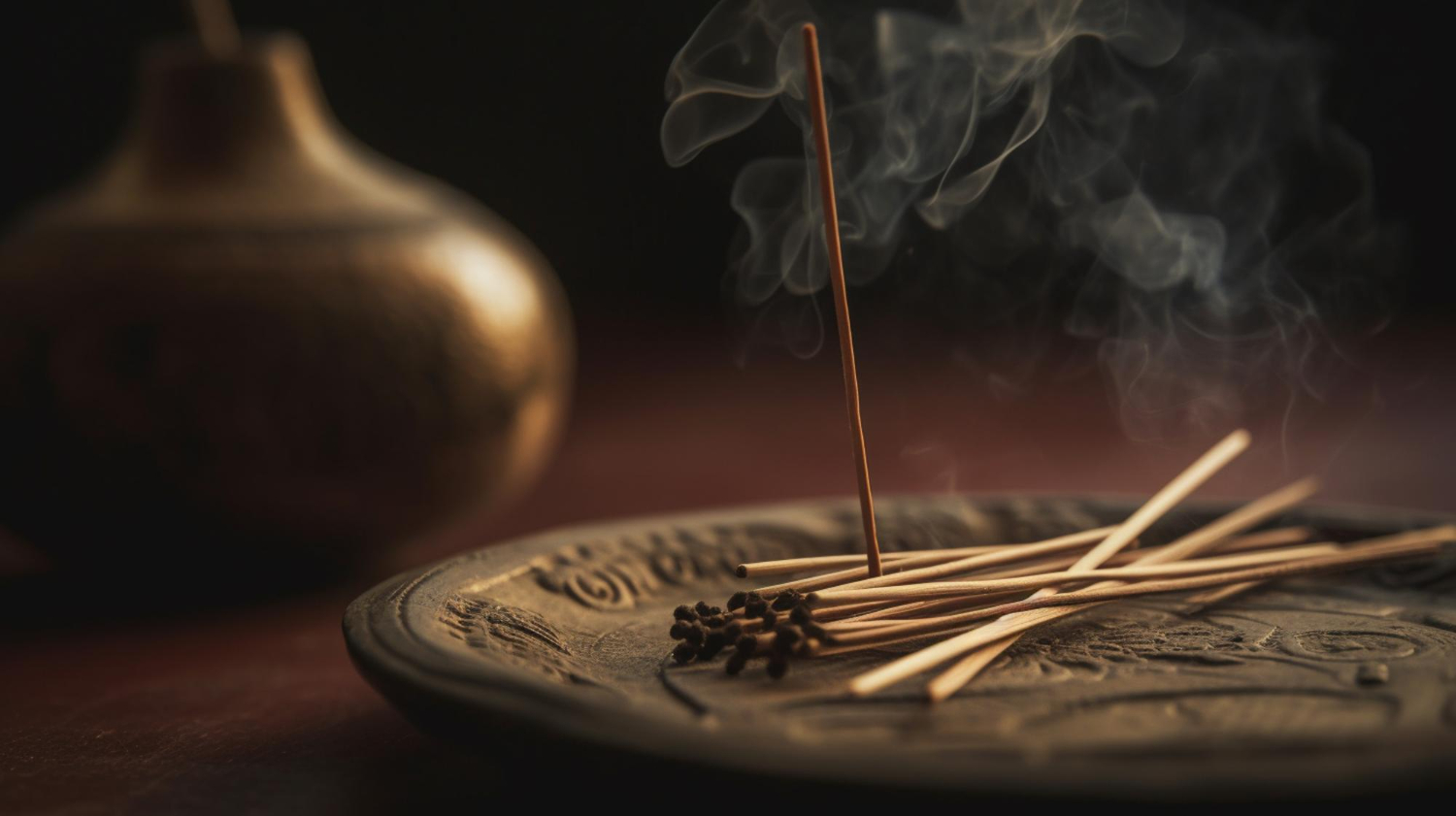
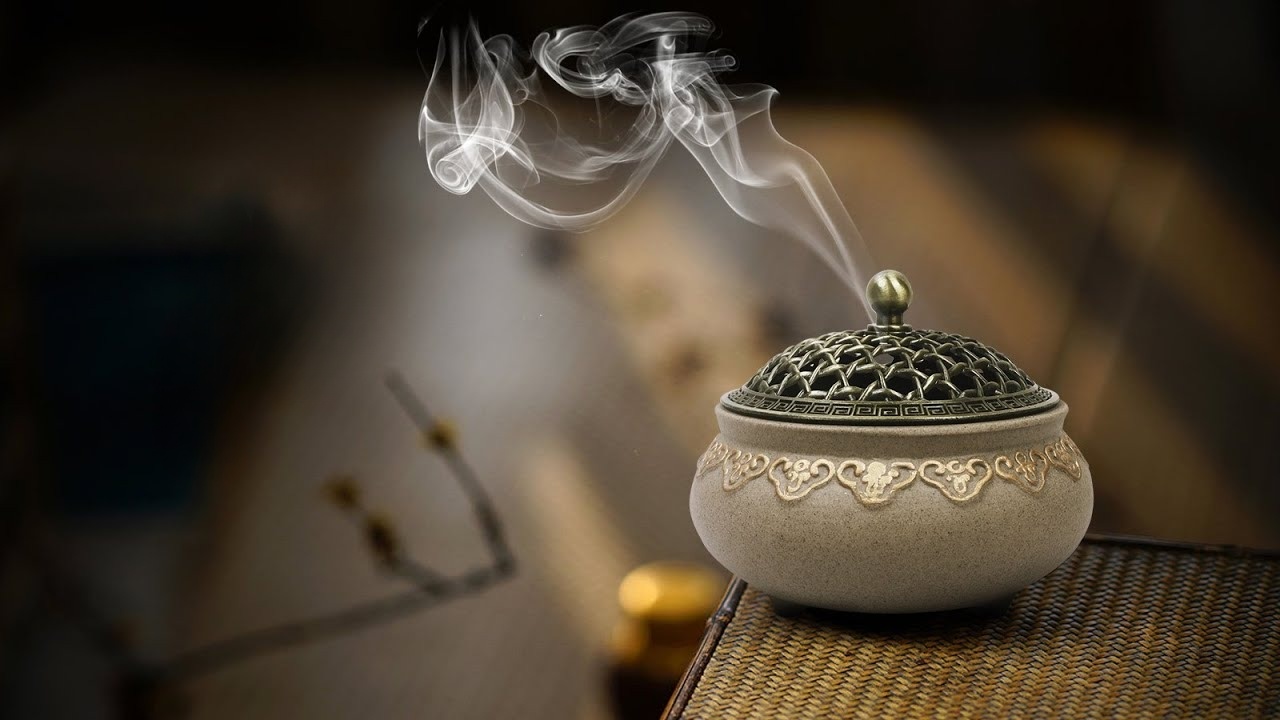
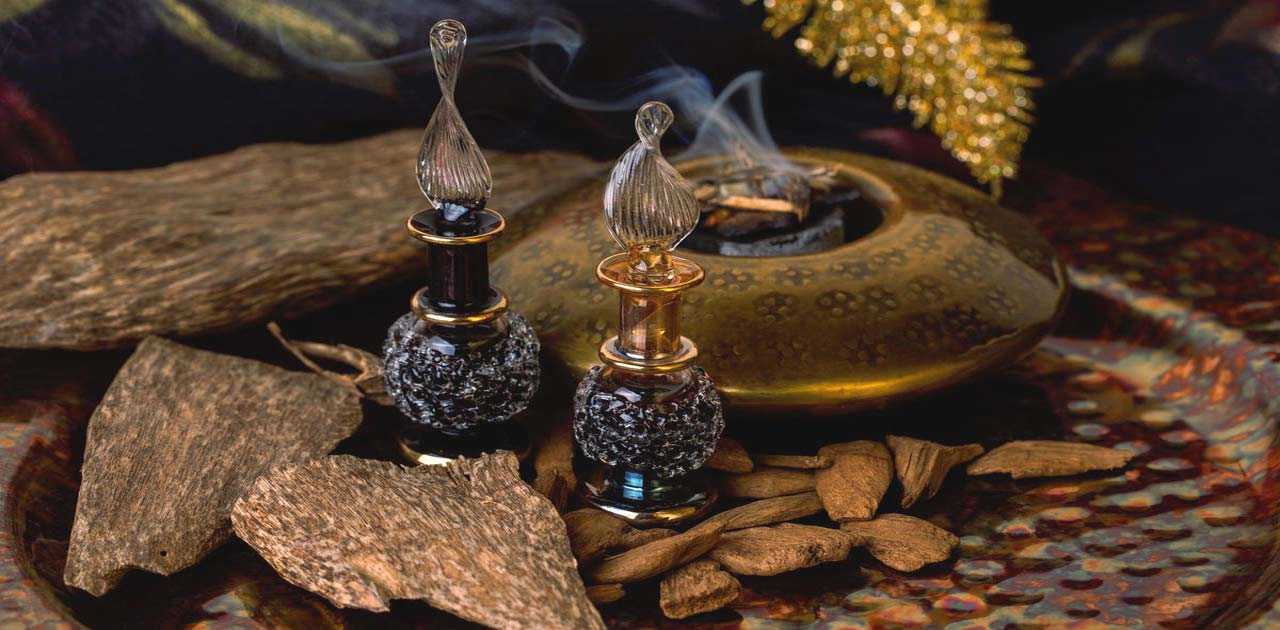
Trầm hương được biết tới nhờ những lợi ích về mặt y học, văn hóa, tôn giáo và tâm linh, phong thủy với quá trình hình thành công phu. Khi bị thương do ngoại cảnh hay nội sinh, cây dó bầu sẽ tiết ra nhựa để ngăn cách vết thương với các phần gỗ khác. Trải qua thời gian dài hấp thụ linh khí trời đất và lắng đọng hương rừng nhiệt đới, chỗ vết thương ấy tích tụ tinh dầu, và tạo thành trầm hương. Mùi thơm của trầm hương nồng ấm mà thanh khiết, giúp định tâm, an thần, tĩnh trí, tăng cường tài vận và khí vận cho người sử dụng.
Thời gian tích trầm càng lâu năm, tức tuổi trầm càng nhiều, thì càng quý giá. Nhiều người tin rằng trầm hương hội tụ đầy đủ tinh hoa của thiên, địa, nhật, nguyệt nên sẽ bảo vệ và mang lại may mắn cho người sử dụng
Quá trình “săn” trầm tự nhiên cực kỳ khó khăn do cây dó bầu sinh trưởng ở những nơi rừng sâu núi thẳm. Người phu trầm phải vượt núi, băng rừng nhiều tháng trời để tìm kiếm. Ngoài ra, không phải cây dó nào cũng có thể sinh trầm, mà cả ngàn cây mới tìm được một...
Ngày nay, Công ty Cổ phần Tập đoàn Trầm Hương Việt Nam Agasen cùng đội ngũ các nhà khoa học đã nghiên cứu Phương pháp tạo trầm sinh học, tiến hành nuôi cấy những loại nấm vi sinh đặc biệt và tác động vào quá trình nhiễm nấm trên cây dó bầu để tạo ra loại trầm hương nhân tạo có chất lượng hương thơm và tác dụng y lý cực kỳ giống với trầm hương tự nhiên.
Đây là một bước tiến lớn trong công cuộc xây dựng và củng cố ngành công nghiệp trầm hương tại Việt Nam, góp phần đưa trầm hương trở thành một biểu tượng văn hóa nổi bật của đất nước.
NHỮNG GIÁ TRỊ ĐẶC BIỆT CỦA TRẦM HƯƠNG
Trầm Hương là món quà trân quý mà thiên nhiên dành tặng con người, là thứ kỳ vật hiếm có mang ý nghĩa và giá trị thiêng liêng trong rất nhiều lĩnh vực của đời sống như văn hóa, tôn giáo, y học, mỹ học, phong thủy và tâm linh. Dù ở bất cứ nơi đâu và vào bất kỳ thời đại nào, hương thơm thanh tao, quyến rũ của Trầm Hương vẫn luôn nhẹ nhàng lan tỏa, mang đến cảm giác thư thái tuyệt vời và sự bình an, hạnh phúc cho mỗi chúng ta.



VÙNG NGUYÊN LIỆU
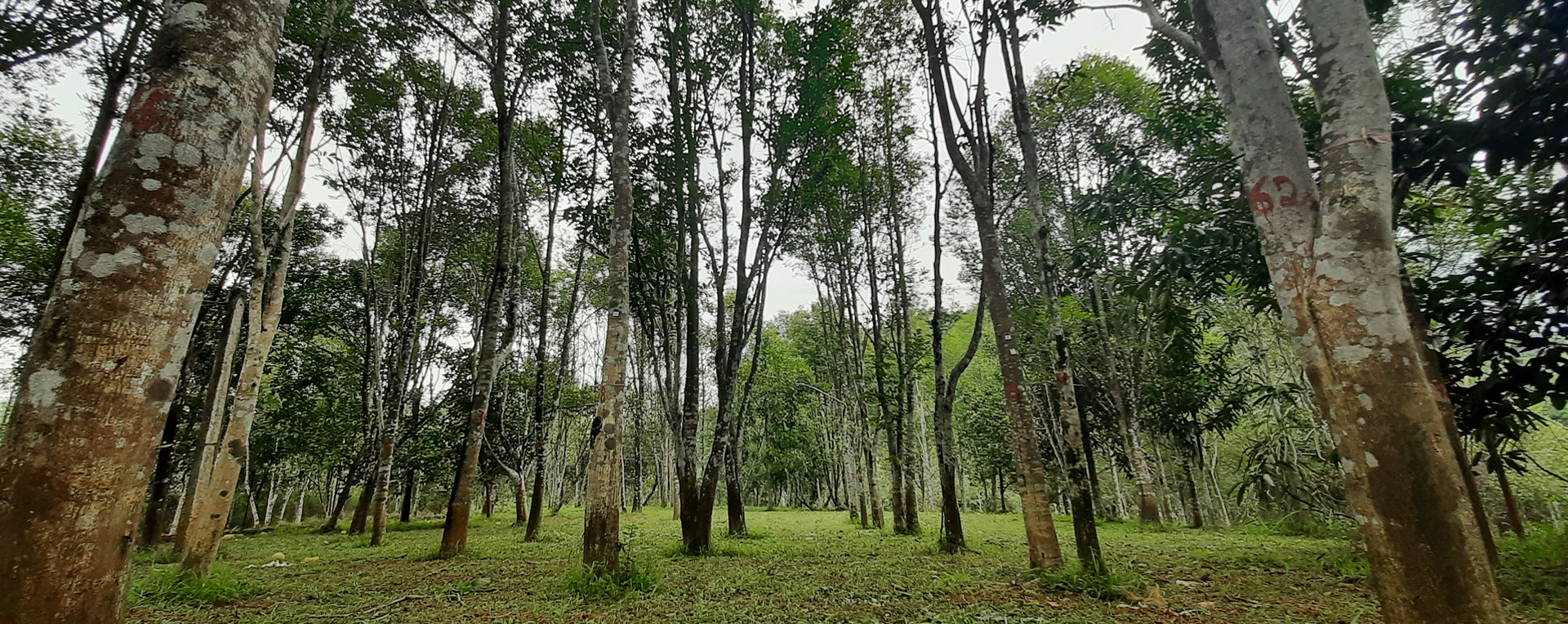
Trầm hương trong tự nhiên được phân bố chủ yếu ở các nước Đông Nam Á như Việt Nam, Lào, Campuchia, Indonesia, Philippines, Malaysia, Brunei, phía Nam Trung Quốc và một số nước khác… Trong đó, trầm hương Việt Nam được đánh giá là có chất lượng hương thơm tốt nhất thế giới. Tuy nhiên, hiện nay, nguồn trầm hương tự nhiên đang dần cạn kiệt do bị khai thác quá mức và chưa có sự đầu tư phát triển lâu dài. Do vậy, để xây dựng một nền công nghiệp trầm hương bền vững, Công ty Cổ phần Tập đoàn Trầm Hương Việt Nam đầu tư quy mô và bài bản vào vùng nguyên liệu, không ngừng nghiên cứu, cập nhật và áp dụng công nghệ tạo trầm mới nhằm bảo tồn và nâng cao chất lượng của trầm hương, để trầm hương Việt Nam vẫn luôn giữ vững vị thế quan trọng trên thị trường quốc tế.
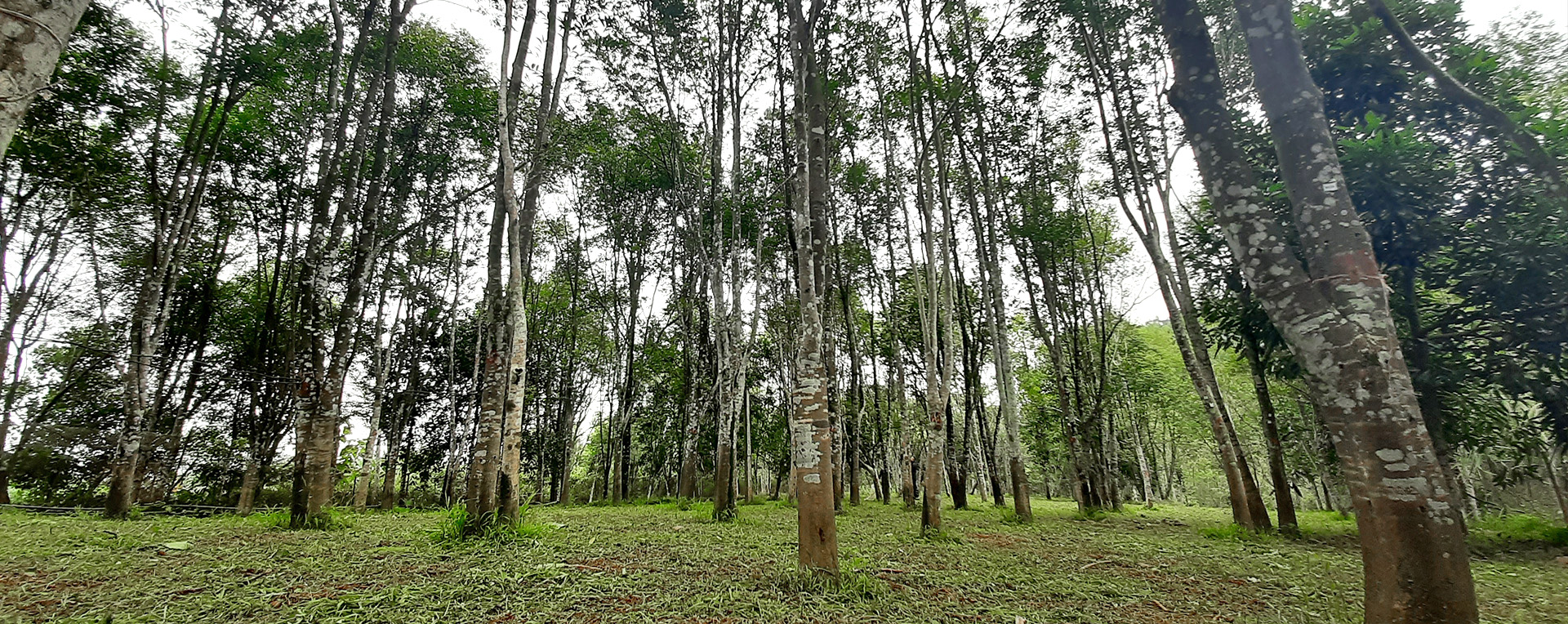
Công nghệ Trầm hương sinh học độc quyền của Agasen
Công ty Cổ phần Tập đoàn Trầm Hương Việt Nam đã hợp tác với các chuyên gia sinh học hàng đầu trong nước và quốc tế, nghiên cứu thành công công nghệ mô phỏng quá trình nhiễm nấm tự nhiên và tạo thành trầm hương trên cây dó bầu, cho ra trầm hương sinh học có chất lượng giống với trầm hương tự nhiên.
Với việc sở hữu công nghệ sinh học độc đáo này, Công ty Cổ Phần Tập đoàn Trầm Hương Việt Nam hoàn toàn chủ động trong việc tạo ra nguồn nguyên liệu sạch, chất lượng cao, đáp ứng mọi nhu cầu về sản phẩm trong nước và quốc tế.
Xem thêm